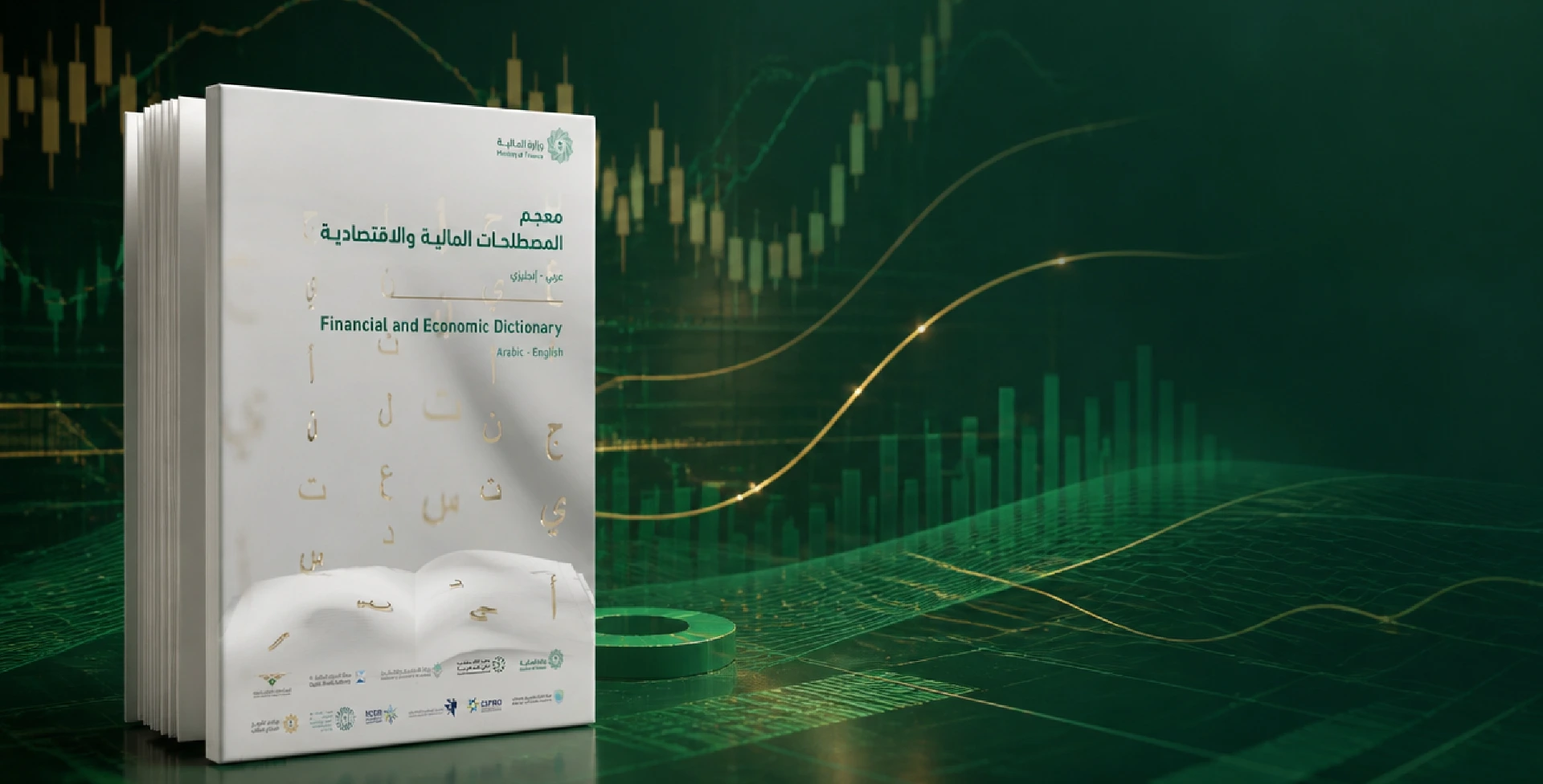
Your gateway to comprehensive financial knowledge with more than 2000 financial and economic terms
Most searched terms
Pricing Based on the Neutral Price
The pricing of a service/ goods/capital loan or intangibles which two or more independent enterprises determine according to market forces and independent transaction conditions.
Operating Investment Funds
Performing operations related to investment funds, including the calculation of its net assets value and the management of subscription and redemption for its units.
Experience Design
The approach focuses on creating and optimizing the overall experience users have when interacting with a product, service, or system. This includes aspects like user interface design, interaction design, visual design, information architecture, etc.
Interactive Design
Design based on continuous communication with the end user and their participation in the design of the future service or product.
Visual Design
A design approach focused on using images and graphics to communicate concepts and ideas.
Rating
An evaluation or assessment assigned by a credit rating agency to indicate the creditworthiness, quality, or risk associated with an entity or financial administration.
Issue Rating
A Credit Assessment assigned to a specific financial instrument, such as a bond or preferred stock, rather than to the issuer as a whole.
Risk Rating
A classification assigned to borrowers or securities to indicate their credit risk, often used by lenders and investors to make lending and investment decisions.
Long-Term Foreign-Currency Issuer Default Rating
A rating assigned by credit rating agencies to evaluate the credit risk of an issuer's ability to meet its foreign-currency obligations over an extended period.
Cash Flow from Investing
Activities that involve cash inflows and outflows related to the purchase or sale of long-term assets, such as real estate, equipment, or investments in other companies.
Cash Flow from Financing
The activities includes cash inflows and outflows related to transactions with the company's owners and creditors, such as issuing or repurchasing stock, paying off loans, or obtaining new financing.
Post-Clearance Audit
The structured examination of a business' relevant commercial systems, sales contracts, financial and non-financial records, physical stock and other assets as a means to measure and improve compliance.
Arranging
Introducing parties in relation to offering of securities, arrangement of its underwriting, or advising on corporate finance business.
Subordination
A feature in debt instruments that ranks the claims of certain creditors or bondholders below those of others in the event of a default or liquidation.
Structural Change
A sustainable shift in the structure of the economy from reliance on a single sector or main source of income (such as oil or agriculture) to a diversified economy based on multiple sectors with higher productivity.
Pricing
The process of determining the value or cost of a product, service, or financial instrument, often influenced by supply and demand, competition, and market conditions.
Number Sequence
It is represented by three digits of the entity code, which identifies the number of main departments in the entity.
Administrative Settlement of Customs Offence
The procedure established under national legislation under which the Zakat, Tax and Customs Authority is empowered to resolve a misdemeanor either through adjudication or by means of a settlement.
Functional Settlement
Matching the updated and transferred jobs during the fiscal year to the cadre of government entity.
Compromise Settlement
An agreement pursuant to which the Zakat, Tax and Customs Authority, in accordance with its granted powers, consents to waive legal proceedings related to a customs offense, provided that the person involved in the offense complies with specified conditions.
Data and Information Classification
The process of categorizing data and information based on sensitivity levels for security controls.
Functional Classification (COFOG)
The classification of expenses (expenditures and transactions on non-financial assets) depending on the functions, which the government seeks to achieve according to the government financial statics and the requirements of the international monetary funds.
Transitory Inflation
Temporary inflation caused by short-term factors that are expected to subside over time.
Acceleration
A clause in financial agreements that allows a lender to demand full repayment under specific conditions.
Customs Tariff
The nomenclature containing the designations of goods, the categories of customs duties to which they are subject, and the rules and notes therein relating to the types and classifications of goods.
Enhancing Beneficiary Participation
Involvement of beneficiaries in digital government service design through obtaining their insights and ideas on service delivery to help government agencies understand their experiences.
Foreclosure Suspension
Temporary moratorium on property repossessions to help distressed borrowers.
Commentaries
Written or oral explanations or clarifications of financial data or market trends, usually provided by experts or analysts.
Offset Compensation
Any condition or undertaking that promotes local development or improves balance of payments regarding any party such as use of local content, technology licenses, investment, counter trade and similar procedures.
Customer Feedback
Collecting feedback or reviews from beneficiaries about their experiences, the provided services, or resolving complaints.
Economic Inequality
The disparity in income, wealth, and opportunities among different groups within an economy.
Customer-Centric Product Development
Involve beneficiaries in the product development process to ensure their needs and preferences are met through workshops and meetings.
Break-Even
Break-even, refers to the point at which total revenue equals total costs, resulting in neither profit nor loss.
Recovery
The stage of an economic cycle where economic conditions, employment, and business activity gradually improve after a period of recession or downturn.
Credit Enhancement
It involves taking steps to improve the creditworthiness of a borrower or a financial instrument. This can include collateral, guarantees, or insurance to reduce the risk associated with lending or investing.
Non-Standard Change
Changes related to enhancement and customization requiring CAB approvals, categorized by risk and impact.
Career Progression
The development and career advancement of an individual within an organization, often involving promotions and increased responsibilities.
Beneficiary Segmentation
Segmenting beneficiaries into groups based on shared characteristics or behaviors, such as age, gender, nationality, and the nature of their interaction with services and products, to target them with specific strategies according to their nature and interaction patterns.
Stock Market Volatility
The degree of price fluctuations in the stock market over time.
Production Cuts
The intentional reduction in the quantity of goods or services produced by a business or industry, often to address oversupply or market imbalances.
Customer-Centric Technology
Utilizing technological solutions that enhance and support a customer-focused approach.
Regulatory Technology (Regtech)
The use of technology to help businesses comply with financial regulations efficiently.
Customer-Centric Employee Recognition
Recognizing and rewarding employees for their contributions to enhancing the customer experience.
Submit Initial Incident Report
The action of providing the initial report on the discovered incident to the relevant parties, typically within a specified timeframe.
Incident Report
An official document or record detailing an incident, including its nature, impact, and any initial actions taken.
Report of the Activities Made on Budget Approval
Report of budgetary reclassifications made on budget items for the government body after approval of the Ministry of Finance.
Tax Installment
Tax payment in installments is made in cases where the taxpayer faces difficulties in paying the amounts due in full. Payment is made according to the installment plan approved by the Zakat, Tax and Customs Authority after the advance payment is made.
Narrowed
Reduction in the width, scope, or range of something, often used to describe a decrease in differences or variations.
Reducing Reliance
The process of diversifying resources or sectors to achieve economic stability and reduce risks.
Restriction of Goods
A legal requirement by law for the submission and approval of an application or other document (other than for Customs purposes) as a prior condition to importation or exportation.
Credit Risk Assessment
The process of quantifying the potential credit risk associated with a borrower or investment. It includes analyzing financial data, credit history, and other relevant factors to determine creditworthiness.
Integration of Customer-Centric Technology
Integrating technological solutions to enhance customer interactions and service delivery.
Cost of Sold Goods
The direct costs of producing goods sold by a business, including materials and labor.
Net Tax Assessment
The estimation of a Taxable Person’s Net Tax due is made either by a Taxable Person upon submitting the Tax Return or by the Zakat, Tax, and Customs Authority in any other circumstances.
Risk Assessment
The process of quantifying various risks, including credit risk, to make informed decisions about lending, investments, and financial transactions.
Beneficiary Acquisition Cost
A key metric that represents the average cost an entity incurs to acquire a new beneficiary. It is calculated by dividing the total costs associated with acquiring beneficiaries by the number of new beneficiaries gained during a specific period.
Economic Composition
The general framework that defines the nature and organization of the national economy, and includes the set of elements and components that make it up, such as the main economic sectors, sub-industries, and the distribution of GDP among these sectors.
Economic Empowerment
Increasing individuals’ or communities’ ability to participate in and benefit from economic activities.
Alternative Funding
Non-traditional methods of raising capital or financing, such as crowdfunding, venture capital, and private equity.
Visitors
Searches